Revitalize Your Sherpa: The Ultimate Guide to Removing Fuzzies and Restoring Softness
Sherpa fabric, with its delightful sheepskin-like texture and incredible warmth, has become a beloved staple in our wardrobes and homes. From cozy pullovers and jackets to luxurious blankets, its plush comfort is undeniable. However, like many cherished textiles, sherpa isn't immune to a common, frustrating issue: fuzzies. These aren't just surface-level lint; often, they're deeply embedded fibers, lint, pet hair, dirt, and even tiny bits of debris that can make your favorite sherpa item look matted, tired, and far from its original fluffy glory. But don't despair! You don't need expensive tools or professional cleaning. We're about to unveil a remarkably simple, budget-friendly method that will restore your sherpa to its pristine, fuzzy-free state.
Why Sherpa Attracts Fuzzies and How to Prevent It
Before diving into the solution, it's helpful to understand why sherpa, particularly the synthetic varieties (often polyester), is such a magnet for fuzzies. Sherpa's looped pile construction creates a vast surface area with countless tiny fibers ready to latch onto anything. Additionally, synthetic fabrics are prone to building up static electricity, which acts like a magnet, drawing in lint, pet hair, and environmental debris. Once these particles are nestled deep within the loops, they can become quite challenging to remove, contributing to that dreaded matted look.
While complete prevention might be impossible, you can significantly reduce the amount of fuzzies your sherpa collects:
*
Wash Separately: This is perhaps the most crucial rule. Never wash sherpa with other lint-shedding fabrics like cotton towels, fleece, or even other synthetic items that might "donate" their fibers. Sherpa will eagerly pick up any loose material in the wash.
*
Turn Inside Out: When washing, turn sherpa garments inside out. This protects the outer, visible pile from rubbing against other surfaces and collecting lint.
*
Use a Mesh Laundry Bag: For smaller items, placing them in a mesh laundry bag can offer an extra layer of protection, preventing direct contact with other items if you absolutely must wash it with a very small, carefully selected load.
*
Lint Roll Regularly: A quick pass with a lint roller before and after wearing can help catch surface fuzz before it gets embedded. This is a proactive measure, not a solution for deeply embedded fuzz.
*
Mind Your Surroundings: Be conscious of where you place or wear your sherpa. Playing on the carpet, cuddling with shedding pets, or sitting on certain upholstered furniture can quickly transfer debris.
The Dollar Store Secret: A Simple DIY Solution to Banish Fuzzies
The good news is that tackling embedded fuzzies doesn't require a trip to a specialized cleaning service. In fact, the solution is incredibly simple and surprisingly affordable, requiring just a few common household items you can often find at a dollar store. This method works wonders on matted sherpa pullovers, clothing, and blankets, revitalizing them without damaging the delicate fibers.
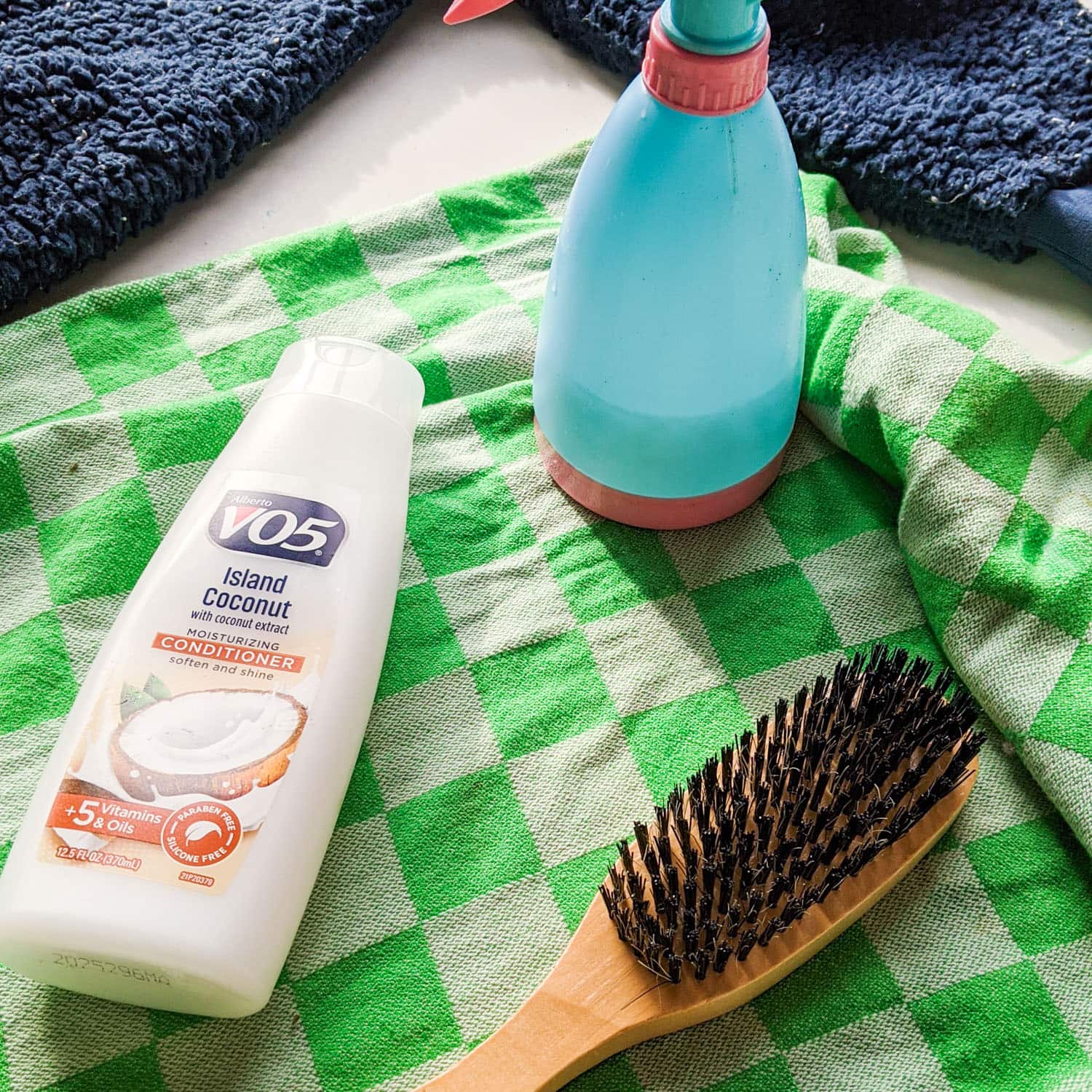
What You'll Need: The Essential Supplies
The beauty of this method lies in its simplicity and cost-effectiveness. Here's what you'll need:
1.
Hair Conditioner: Any cheap, basic hair conditioner will do. You don't need anything fancy or expensive. The goal is to gently soften the synthetic fibers of the sherpa, making it easier for the fuzzies to release their grip. Look for the least expensive bottle you can find.
2.
Bristle Brush: A brush with stiff, natural or synthetic bristles, often found in the cleaning aisle or even the pet section (for grooming larger animals), is perfect. The key is that the bristles are firm enough to gently dislodge debris but not so hard that they'll pull or rip the sherpa. A wooden handle with sturdy bristles is ideal.
3.
Spray Bottle: Again, the cheapest option available will work perfectly. It doesn't need a fancy mist setting; a simple spray function is all that's required to apply the conditioner mixture evenly.
With these three items, likely costing you less than $5 in total, you're ready to transform your fuzzy sherpa.
Step-by-Step Guide: Restoring Your Sherpa's Softness
Follow these steps carefully to achieve the best results and safely remove those stubborn fuzzies:
1.
Prepare the Conditioner Mixture: In your spray bottle, combine 1/2 cup of water with 1/2 cup of hair conditioner. This 1:1 ratio is ideal – enough conditioner to soften the fibers without making the sherpa overly greasy or difficult to rinse. Secure the lid tightly and shake the bottle vigorously until the water and conditioner are thoroughly mixed into a milky solution.
2.
Apply to the Matted Sherpa: Lay your sherpa item flat on a clean, protected surface. Spray the matted or fuzzy areas generously with the conditioner mixture. The fabric should feel thoroughly wet, but not dripping saturated. Imagine it's just been run under a faucet briefly – evenly damp across the affected area. The goal is to allow the conditioner to penetrate and soften the embedded fuzz and the sherpa fibers themselves.
3.
Gentle Brushing Action: Take your bristle brush and begin to gently brush the sprayed area. It's crucial to use a consistent, light motion. Brush in one direction, repeatedly, without pressing too hard. The reference suggests brushing "again and again and again." This consistent, gentle action allows the bristles to work their way under the fuzzies and lift them out without damaging the delicate sherpa loops. As you brush, you'll start to see the fuzzies accumulate on the brush.
4.
Clean the Brush and Continue: Periodically, you'll notice the brush collecting a significant amount of lint and debris. Stop, use your hand to pull the accumulated fuzz off the brush, and discard it. Continue brushing the affected areas until all visible fuzzies, lint, leaves, pet hair, and other debris have been lifted from the sherpa. Patience is key here; it might take several passes.
5.
Initial Rinse (Optional for Small Areas): If you've only treated a small patch, you might be able to rinse just that area under a sink with cool water to remove the conditioner residue. However, for most garments or blankets, a full wash is recommended to ensure all conditioner is removed and the item feels fresh.
Post-Treatment Care: Washing and Drying Your Sherpa After Defuzzing
Once you've successfully brushed away the fuzzies, the next critical step is to properly wash and dry your sherpa to remove any conditioner residue and restore its overall freshness. This phase is just as important as the defuzzing itself to ensure the longevity and softness of your item.
Washing Instructions: Removing Residue and Further Cleaning
To ensure your sherpa is clean and soft after its defuzzing treatment, follow these specific washing guidelines:
*
Wash Separately: As a golden rule for sherpa, always wash it by itself. This prevents it from picking up lint or fibers from other garments, which would undo all your hard work.
*
Cold Water, Gentle Cycle: Place your sherpa item in the washing machine. Select a gentle or delicate cycle and use cold water only. Cold water helps maintain the integrity of synthetic fibers and prevents shrinking or melting that can occur with hot water.
*
Mild Detergent or Dish Soap: Use a small amount of a mild detergent. For an even gentler approach, some experts recommend using a teaspoon of clear dish soap. Dish soap is excellent at cutting through grease and residue without being overly harsh on synthetic fabrics.
*
Avoid Fabric Softeners and Bleach: Do NOT use fabric softeners, synthetic fragrances, or bleach. Fabric softeners can leave a waxy build-up on sherpa fibers, making them feel greasy, matted, or less plush over time. Bleach is too harsh and can damage the fibers.
*
Consider a Second Rinse: If your washing machine has a "second rinse" option, consider using it to ensure all conditioner and detergent residue is thoroughly washed away, leaving your sherpa feeling truly clean.
Drying Sherpa Properly: The Key to Preventing Shrinkage and Matting
How you dry your sherpa is just as vital as how you wash it. Improper drying can lead to irreversible damage like shrinkage or permanent matting.
*
Air Dry ONLY: This is non-negotiable. Do NOT put sherpa in a tumble dryer. The high heat of a dryer can melt the synthetic fibers, causing irreversible shrinkage, matting, or even a hardened texture.
*
Lay Flat or Hang Carefully: After washing, gently squeeze out excess water (do not wring!). Lay the item flat on a clean, dry surface or hang it on a sturdy hanger away from direct sunlight or heat. Ensure good air circulation around the item.
*
Fluff with Your Hands: As the sherpa dries, gently fluff it with your hands every few hours. This helps to redistribute the fibers, prevents them from clumping together, and encourages the return of that soft, airy texture. Once fully dry, a final hand-fluffing will bring back its plushness.
Beyond Fuzzies: General Sherpa Care Tips for Longevity
Maintaining the beauty and comfort of your sherpa items goes beyond just removing fuzzies. Adopting a consistent care routine will ensure they remain a cozy favorite for years to come.
*
Spot Clean Spills Immediately: For minor spills, blot (don't rub!) the area with a clean cloth dampened with cold water and a tiny drop of mild soap. Rinse by dabbing with a clean, damp cloth and then air dry.
*
Gentle Handling: When wearing or using sherpa, be mindful of friction. Excessive rubbing against rough surfaces can contribute to pilling and matting over time.
*
Proper Storage: Store sherpa items in a clean, dry place away from direct sunlight. Fold blankets neatly rather than stuffing them into small spaces, which can compress the fibers. For garments, hang them on appropriate hangers to maintain their shape.
*
Address Pilling Proactively: While this article focuses on embedded fuzz, sherpa can also develop small pills (tiny balls of tangled fibers) over time. For more advanced troubleshooting of stubborn pilling or specific types of debris, you might find additional strategies in
how to remove fuzzies from sherpa - Article 1.
*
Persistent Shedding: If you're battling persistent shedding from a new or old sherpa item, our guide on
how to remove fuzzies from sherpa - Article 3 offers targeted advice to help minimize fluff dispersal.
By following these comprehensive tips, you can ensure your beloved sherpa items remain soft, fluffy, and free from unsightly fuzzies, looking as good as new for many seasons to come.
Conclusion
Don't let embedded fuzzies and lint diminish the joy of your favorite sherpa clothing or blankets. As we've seen, with just a few inexpensive supplies and a straightforward, gentle technique, you can effectively revitalize matted sherpa and restore its soft, plush appeal. The conditioner-and-brush method, followed by careful washing and air-drying, is a game-changer for maintaining this beloved fabric. By understanding how to properly remove fuzzies from sherpa and implementing these easy care steps, you'll extend the life of your cozy items and keep them looking fresh and inviting. So go ahead, rescue your sherpa – it's easier than you think!