Reclaim the Coziness: Your Ultimate Guide on How to Remove Fuzzies from Sherpa
Sherpa fabric, with its delightfully soft, fluffy texture, brings unparalleled comfort to blankets, sweaters, pullovers, and even beloved children's outfits. It's designed to mimic sheep's wool, offering a luxurious feel and warmth that's hard to beat. However, this very characteristic – its plush, looped pile – also makes it a magnet for fuzzies, lint, pet hair, dirt, and all sorts of debris. It's a common frustration: one minute your sherpa item is pristine, the next it's covered in stubborn fuzz that seems irrevocably embedded, making it look matted and worn. Traditional methods like lint rollers often fall short when the fuzz is truly embedded, and trying to pull individual bits out can risk damaging the delicate fabric. But don't despair! There's an incredibly effective, budget-friendly method that can restore your cherished sherpa items to their former glory, making them soft and inviting once more. This comprehensive guide will walk you through *how to remove fuzzies from sherpa* effectively, safely, and even how to prevent them in the future.Why Sherpa Gets Fussy and Matted (and Why it's a Challenge)
Understanding why sherpa collects fuzzies is the first step to tackling the problem. Most sherpa is made from synthetic fibers, typically polyester, designed to create a soft, high-pile texture. This looped structure, while wonderfully soft, acts like a tiny net, easily snagging loose fibers from other clothes, pet hair, crumbs, and environmental debris. Here's why removing them can be tricky: * Fiber Entanglement: Unlike smooth fabrics, sherpa's textured surface allows foreign fibers to become deeply intertwined with its own loops. * Static Cling: Synthetic fabrics are prone to static electricity, which further attracts and holds onto lint and hair. * Friction and Wear: Everyday use, especially playing on the ground (as is often the case with kids' clothing) or frequent rubbing against other surfaces, can push debris deeper into the fabric's pile, making it difficult to dislodge. * Improper Washing: Washing sherpa with other items, especially shedding ones like towels or cotton, is a surefire way to transfer lint directly onto its surface, where it quickly becomes embedded. Because these fuzzies aren't just superficial, a simple lint roller often can't reach them. What you need is a method that can gently lift and release the embedded debris without harming the sherpa's delicate structure – and that's exactly what we're about to explore.The Budget-Friendly Toolkit: Essential Supplies for Fuzz Removal
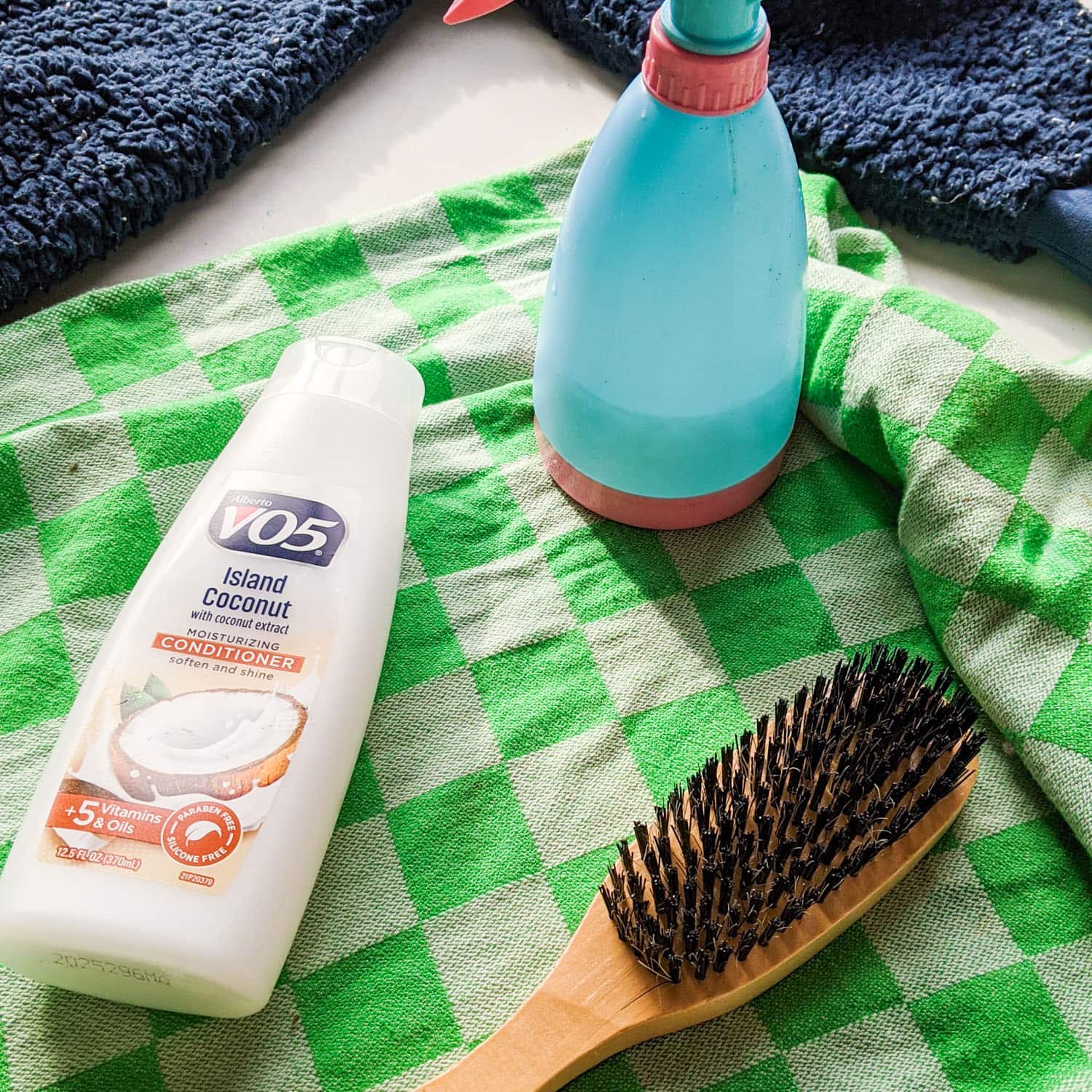
One of the best things about this highly effective method for *how to remove fuzzies from sherpa* is that it requires only three inexpensive, easy-to-find supplies. You can often gather everything you need for just a few dollars, proving that restoring your favorite items doesn't have to break the bank. Here’s what you’ll need: 1. Hair Conditioner: Opt for the cheapest possible conditioner you can find. There's no need for fancy brands or specialized formulas. The primary role of the conditioner is to lubricate and soften the fabric fibers, making it easier for embedded fuzz to release. It also helps to reduce static, which contributes to fuzz attraction. 2. Bristle Brush: Look for a brush with firm, yet not overly stiff, bristles. A standard wooden-handled brush, often found in the cleaning or dollar store aisle, is perfect. The bristles will gently agitate the sherpa's surface, lifting the embedded fuzz without pulling or damaging the fabric. Avoid brushes with extremely hard bristles or wire brushes, as these could be too abrasive. 3. Spray Bottle: Any basic spray bottle will do the trick. It doesn't need a fancy misting function; its purpose is simply to allow for an even application of your conditioner mixture. With these three simple items, you're well-equipped to tackle even the most stubborn sherpa fuzzies.Step-by-Step Guide: Restoring Your Sherpa's Softness
Once you have your supplies ready, the process of removing fuzzies from your sherpa item is straightforward and incredibly satisfying. Follow these steps carefully to achieve the best results:1. Prepare Your Conditioning Solution
- Mix the Conditioner: In your spray bottle, combine equal parts water and hair conditioner. A 1:1 ratio, such as 1/2 cup water to 1/2 cup conditioner, works perfectly.
- Shake Well: Secure the lid tightly and shake the bottle vigorously until the water and conditioner are thoroughly mixed. You want a consistent, milky solution.
2. Apply the Solution to the Matted Sherpa
- Target the Area: Lay your sherpa item flat on a clean, protected surface. Identify the areas most affected by fuzz, lint, and debris.
- Spray Liberally: Spray the conditioner mixture directly onto the matted, fuzzed areas. The fabric should feel thoroughly wet, similar to running it under a faucet, but not dripping saturated. Ensure the mixture penetrates the tangled fibers to effectively coat the fuzzies.
3. Gentle Brushing to Remove Fuzzies
- Start Brushing: Take your bristle brush and begin gently brushing the sprayed area. It’s crucial to brush in a consistent, single direction. Do not scrub back and forth vigorously.
- Be Gentle: Apply light pressure. The goal is to lift the fuzz, not to rip the sherpa. Repeated, gentle strokes are far more effective and safer than aggressive scrubbing.
- Clean Your Brush: As you brush, you'll notice the fuzzies and debris accumulating on the bristles. Periodically, use your hand to clean the brush, pulling off the collected lint, and continue brushing.
- Continue Until Clean: Repeat this process – spraying if needed, brushing gently, and cleaning the brush – until all the embedded fuzz, lint, pet hair, leaves, or wood chips are removed from the sherpa. You'll see the fabric's original texture and softness begin to emerge.
4. Post-Treatment Wash and Air Dry
Once you've successfully brushed out all the fuzzies, your sherpa item will need a final wash to remove any conditioner residue and fully restore its fresh feel.
- Wash Separately: This is crucial! Never wash sherpa with other clothing or blankets. Sherpa is highly prone to picking up lint and fibers from other materials, undoing all your hard work.
- Use Cold Water: Always wash sherpa on a gentle cycle in cold water. Cold water helps prevent shrinking and maintains the integrity of the synthetic fibers.
- Mild Detergent Only: Use a small amount of mild detergent. Avoid harsh chemicals, bleach, and especially fabric softeners, as these can actually damage the fibers and lead to matting or shedding over time. For more comprehensive tips on maintaining your sherpa, check out how to remove fuzzies from sherpa - Article 3.
- Air Dry Only: Never put sherpa in the dryer. The high heat will cause it to shrink, mat, and lose its signature softness and fluffiness. Instead, lay it flat or hang it to air dry completely.
- Fluff by Hand: Once the item is fully dry, gently fluff the sherpa with your hands to restore its natural loft and softness.
